



At Salud por Derecho, we have joined 177 organizations and communities from across the global HIV field in calling, through a joint letter, on Merck to ensure that its promising once-monthly oral PrEP candidate MK-8527, currently in Phase III clinical trials, is developed with a commitment to global and equitable access from this early stage.
MK-8527 is a potential HIV prevention product. It is part of pre-exposure prophylaxis, known as PrEP, which involves taking treatment before potential exposure to HIV in order to reduce the risk of acquiring it. Unlike the most widely used options to date, this candidate would be taken orally once a month. It is designed to address adherence challenges and make uptake and continued use easier, joining other more recent prevention options such as long-acting injectable lenacapavir, which is administered approximately every six months.
If the Phase III clinical trials confirm that MK-8527 is safe and effective, this new monthly option could expand the HIV prevention toolkit and facilitate sustained use across different settings.
Each year, approximately 1.3 million people acquire HIV worldwide, and the majority live in low- and middle-income countries (LMICs). For this reason, the real impact of any prevention innovation will depend on its availability not only in high-income countries, but also in countries where the burden of the pandemic is greatest.
Experience from the global HIV response shows that delays in access, high prices, and intellectual property barriers have had serious consequences in the past. Excluding parts of the LMICs from an access strategy is not only unjust, but also unnecessarily delays progress in reducing the number of people who acquire HIV globally. At the same time, we know that a different path is possible when public institutions, regulatory authorities, communities, and companies work together with intention and urgency.
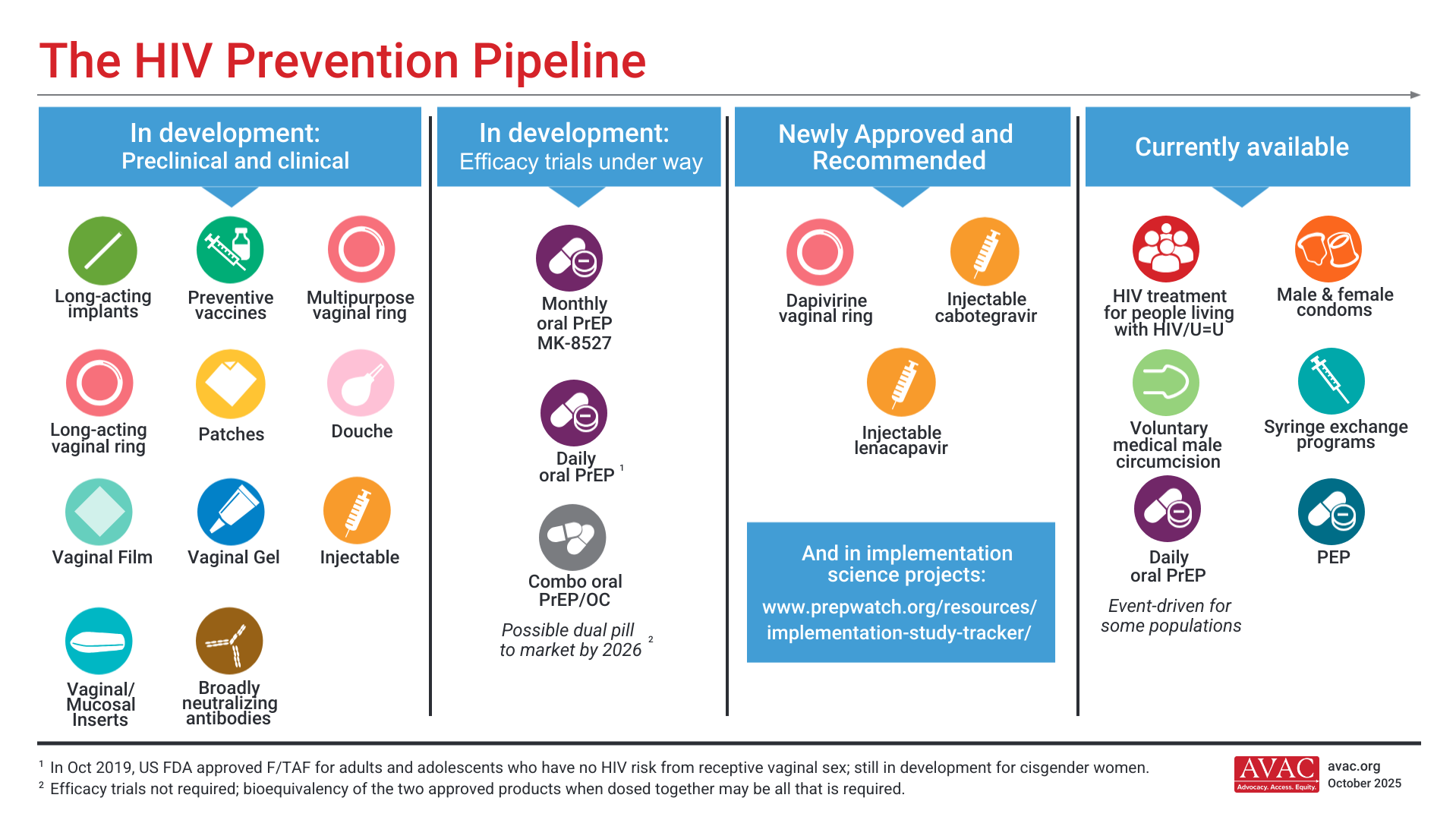
In the European Union, access to the most innovative long-acting prevention options remains extremely limited. Although some injectable alternatives have already received regulatory approval, in practice they are not yet available to people across the EU. The company itself has indicated that in 2024 no long-acting cabotegravir has been marketed in the European Union. In the case of lenacapavir, although it has received centralized EU regulatory approval, no pricing and reimbursement agreements have yet been reached in Member States, effectively preventing its incorporation into public health systems. This situation demonstrates that regulatory approval alone does not guarantee effective access.
The undersigned organisations therefore call for access planning to begin now, during the clinical development phase and not only after regulatory approval. We urge the company to pursue accelerated regulatory pathways across multiple countries, commit to fair and transparent pricing that is affordable for public health systems, grant non-exclusive voluntary licenses to enable generic production, support technology transfer, and refrain from practices that could delay the availability of more affordable generic alternatives. A launch price of around US$40 per person per year would enable meaningful scale-up of access across LMICs.
Ensuring early and equitable access to new HIV prevention tools is not only a technical or commercial matter. It is a decision that can directly influence the reduction of new HIV infections and the ability of health systems to respond effectively. If MK-8527 proves to be a safe and effective prevention tool, we must avoid repeating the mistakes of the past and ensure that it reaches everyone who needs it, regardless of where they live.
Full letter available at this link.


