


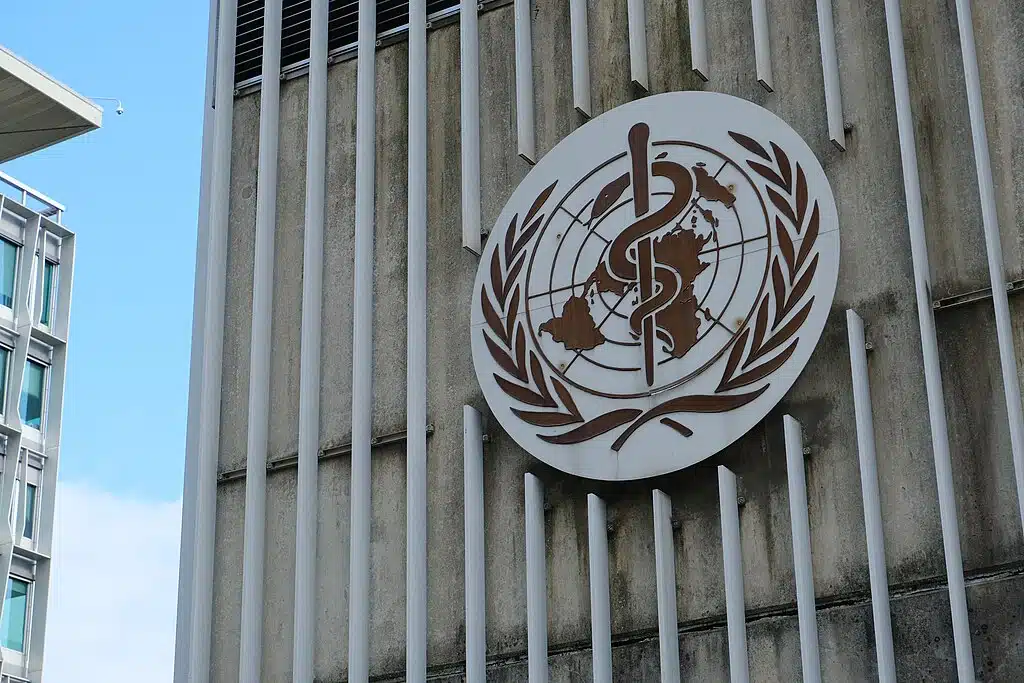
These days, the 156th session of the Executive Board of the World Health Organization (WHO) is taking place. This is one of the two main governing bodies of the multilateral institution, responsible for monitoring the implementation of decisions and policies of the World Health Assembly, advising it, and facilitating its work.
During this session, Spain, together with Egypt, has promoted a resolution on rare diseases. The resolution, supported by multiple high- and low-income countries, demonstrates the commitment of the Spanish Ministry of Health to being an active participant in global health governance at a time when it faces serious challenges.
However, this resolution is not without criticism and concerns. At Salud por Derecho, we have expressed our concern over how the resolution fails to address key issues related to access to medicines for these diseases. In a recently published analysis, we discuss how the resolution represents a missed opportunity on issues that are often highlighted as national policy priorities by the Ministry of Health: transparency in the pharmaceutical sector and access to and development of affordable advanced therapies.
This week, Salud por Derecho, together with Third World Network and more than 60 international civil society organizations, have raised their concerns through a letter addressed to diplomatic missions in Geneva, warning that the current draft does not address fundamental barriers to accessing treatments for rare diseases. These include technology transfer and the recognition of the right to exercise the flexibilities under international trade agreements (i.e., TRIPS). Additionally, during our participation in the Executive Board meeting, we shared a statement highlighting these issues.
The Influence of the Pharmaceutical Industry on the Resolution
One of the most controversial aspects of the resolution has been the involvement of the pharmaceutical industry. Rare Diseases International (RDI) has been the main non-state actor engaged in its development. While RDI is a coalition of diverse organizations, including patient associations, at least 47% of its funding comes from the pharmaceutical industry. This raises concerns about conflicts of interest, especially since WHO documents indicate that the industry is willing to support the funding of the resolution’s implementation, estimated at $9 million over two years.
The issue of financing is particularly relevant. According to POLITICO, the European Union and Canada have withdrawn their support, citing concerns over costs in the context of budget constraints within the WHO, following the withdrawal of U.S. funding.
A Resolution That Fails to Guarantee Equitable Access
At Salud por Derecho, we commend Spain’s leadership in this resolution. The references to Universal Health Coverage (UHC) and the need to strengthen primary health care approaches reflect Spain’s priorities in the global health agenda. However, we continue to warn that the current draft fails to address fundamental barriers to accessing treatment. Without recognizing these barriers, the commitment to Universal Health Coverage and Primary Health Care remains threatened by the exorbitant costs of medicines for rare diseases and the lack of global access to these treatments.
For this reason, we call for:
- Recognition that market-driven incentives sustain unaffordable prices, creating barriers to equitable global access to medicines and diagnostics.
- Greater transparency in drug pricing, including the actual costs of production, research, and development. This has been a priority for the current Spanish Ministry of Health and should be reflected in the resolution.
- Recognition of countries’ right to use TRIPS flexibilities, such as compulsory licenses, to ensure affordable treatments.
- Strengthening international cooperation to facilitate technology transfer and expand the production of treatments at lower costs in low- and middle-income countries. Spain’s model for the development of advanced therapies could serve as a blueprint for expanding access to medicines and the knowledge required for their production.
At Salud por Derecho, we remain committed to ensuring that this resolution is not merely a symbolic acknowledgment but a meaningful step toward equitable access to treatments for rare diseases.
For more information, read our full analysis of the resolution here:


